
Encuentre recambios para Ford. Haga clic en el modelo de vehículo para ver el catálogo de recambios.

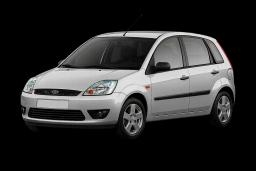




Causas y codigo U2023 ford
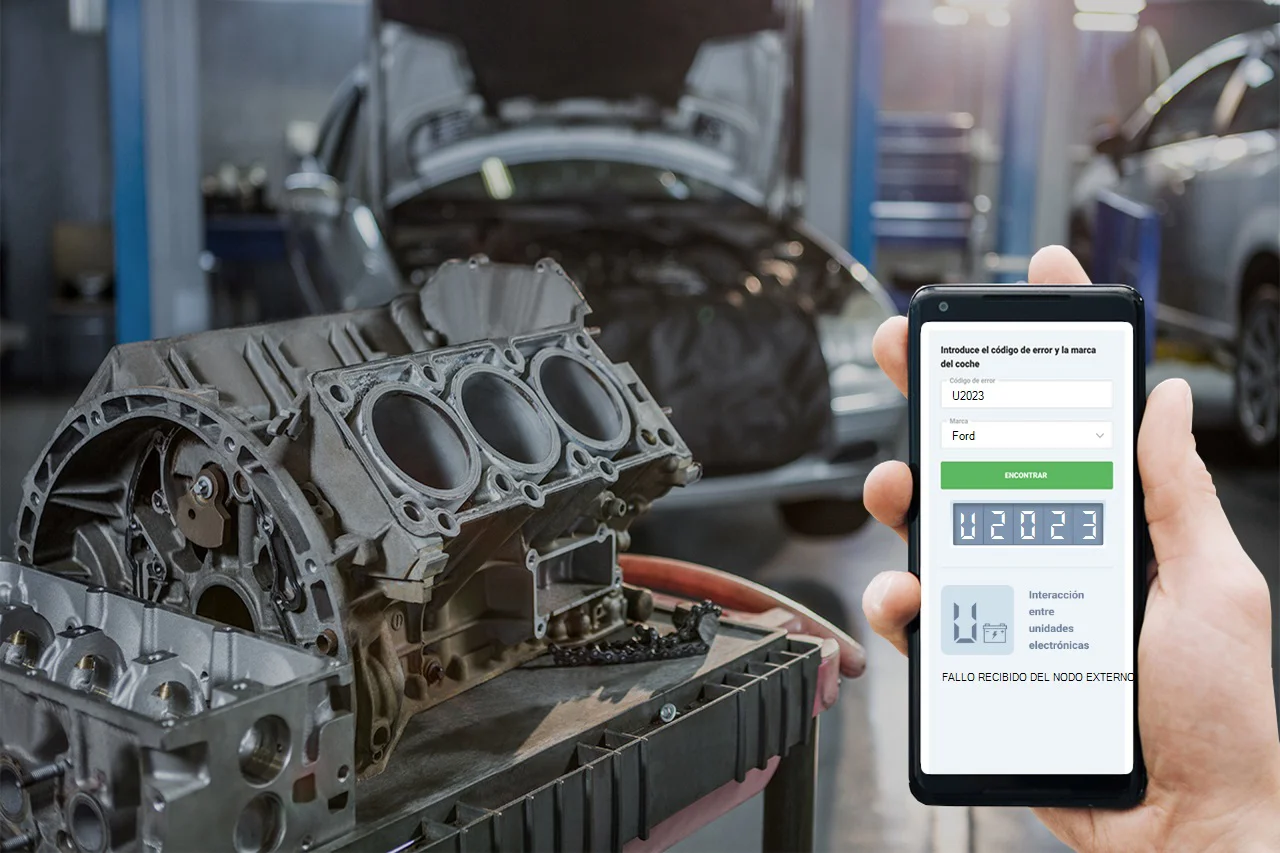
Most times, U2023 is a CAN network issue—CAN's just the fancy name for the system where all those modules talk to each other. Here are the usual suspects I've run into at the shop:
- Loose or rusty connectors on the electronic modules. Had a Fiesta in last month where the connector looked fine, but a bit of green corrosion had everyone confused.
- Wiring problems—anything from nicked wires, shorts, or a bad splice. Sometimes it's as simple as a wire chewed up by mice. No joke, I've seen it!
- An outside module going wonky and sending garbage signals. Like a Transit that kept tripping the code because the ABS module was shot.
- Low battery voltage or wild voltage swings messing with the module's ability to 'hear' each other. A classic rookie mistake is forgetting to check the battery before diving into diagnostics.
- Electrical interference from poorly installed accessories. Think aftermarket alarms or radios wired in by someone who skipped the instructions.
Honestly, the most common culprit is a connector that's loose or wet—especially right after someone's been under the hood or done some repairs. I see it all the time in Ford, Renault, and across compact cars, vans, and SUVs like Fiesta, Transit, or Kuga.
Síntomas relacionados con ford U2023
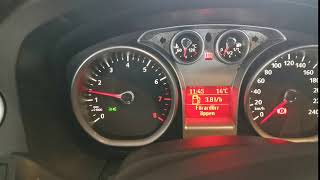
So, what should you look for? When U2023 is active, your car might show all sorts of symptoms, depending on which module isn't happy. Most often you'll see a warning light on the dash—sometimes it's the check engine, ABS, or transmission light. I've had customers with Kuga SUVs tell me their traction control stopped working, or the brakes felt strange. Sometimes the car goes into limp mode, or you lose power steering. If your Ford starts acting funny or spits out error messages on the dashboard, odds are good it's got this code. I see this a lot in Fiesta, Transit, and Kuga models, where a hiccup in communication can make the electronics act up in weird ways.
Diagnóstico y U2023
Here's how I tackle U2023 in the shop, step by step:
- First thing, I give all the main module connectors a good visual once-over—looking for moisture, corrosion, or loose wires. Grab a buddy to wiggle the harness while you watch. You'd be amazed how often that's all it takes.
- Next, I hook up a scan tool to figure out which module is complaining. That narrows things down a ton.
- Then, I check battery voltage and charging system. If your battery is tired, modules can start acting up. Don't skip this!
- If those check out, I inspect CAN network wiring for any physical damage, bad splices, or broken wires. Sometimes it's tucked way out of sight, so patience pays off.
- If I still can't find it, I swap suspicious modules with a known good one or test them in another vehicle. It's like swapping a spark plug to see if the misfire moves—straightforward but effective.
Don't rush past the basics. Nine times out of ten, it's something simple like a crusty connector or a pin not making good contact.
Errores comunes en códigos de falla U2023 ford
I've seen a lot of folks—pros and DIYers alike—jump straight to swapping modules before checking connectors and wiring. That's an expensive mistake. Another one? Ignoring the battery. I've watched guys chase ghosts for hours, only to find a weak battery was throwing everything out of whack. Skipping the visual check is also a biggie, especially after recent repairs. My advice? Always start with the easy stuff. Don't throw parts at the problem until you're sure.
Gravedad del problema ford dtc U2023
This code's not one you want to shrug off. Letting it go can lead to trouble with brakes, steering, or even the engine. If modules can't talk, your car can lose critical features or go into limp mode—I've seen folks stranded on the highway because of it. Keep ignoring it, and you might fry expensive electronics like PCM, ABS, or BCM. Take it from me: don't wait. The risk's just not worth it.
Reparación para U2023 ford
Here's what works for fixing U2023—tried and true:
- Clean and lock down all connectors on the affected modules. A little dielectric grease goes a long way.
- Repair or swap out damaged CAN wiring. If you see a wire that's pinched or cut, don't just tape it—fix it right.
- Replace the bad module if you've confirmed it's sending garbage signals. I had a Transit where only a new ABS module cleared the code.
- Fix battery or voltage issues. Sometimes just a fresh battery solves everything.
- Remove electrical interference from poorly installed accessories. If someone wired in a cheap alarm, rip it out and see if the code disappears.
Follow the diagnostic steps one by one. Skipping checks is how you miss the real problem.
Busque por código VIN de forma gratuita en el mercado de Avtopro.
Cómo averiguar el VIN


Conclusión
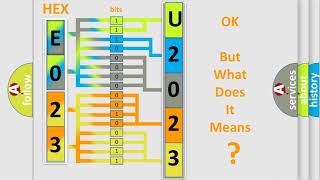
To sum it up, U2023 means your Ford's modules aren't talking right, and that can mess with a bunch of systems. This isn't something you want to ignore—it can hit safety and cost you big if left alone. The best move is to start with connectors and wiring, and only swap parts if you're sure they're dead. Jump on it quick and stick to a thorough diagnosis, and you'll save yourself a headache (and maybe a few bucks).
 6924
6924 6 minutos de lectura
- DTC P144A FordEl sistema de emisiones evaporativas (EVAP) tiene una obstrucción en la línea de purga de vapores, lo que impide el flujo adecuado de gases.
- DTC P144C FordEl sistema de emisiones evaporativas (EVAP) no controla bien el flujo de purga durante aceleración; puede afectar control de vapores de gasolina.
- DTC P1451 FordLa válvula de control de ventilación del sistema de emisiones EVAP (control de vapores de combustible) tiene un problema eléctrico o en su circuito.
- DTC P1460 FordEl circuito del relé que corta el aire acondicionado (A/C) cuando aceleras a fondo tiene una falla.
- DTC P1464 FordLa señal de demanda del aire acondicionado (A/C) está fuera del rango esperado durante la autoprueba del sistema.
- DTC P1474 FordLa falla indica un problema en el circuito principal que controla el ventilador de enfriamiento del motor.