
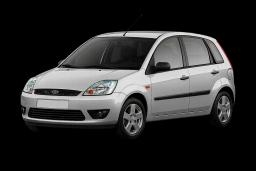
Encuentre recambios para Ford. Haga clic en el modelo de vehículo para ver el catálogo de recambios.





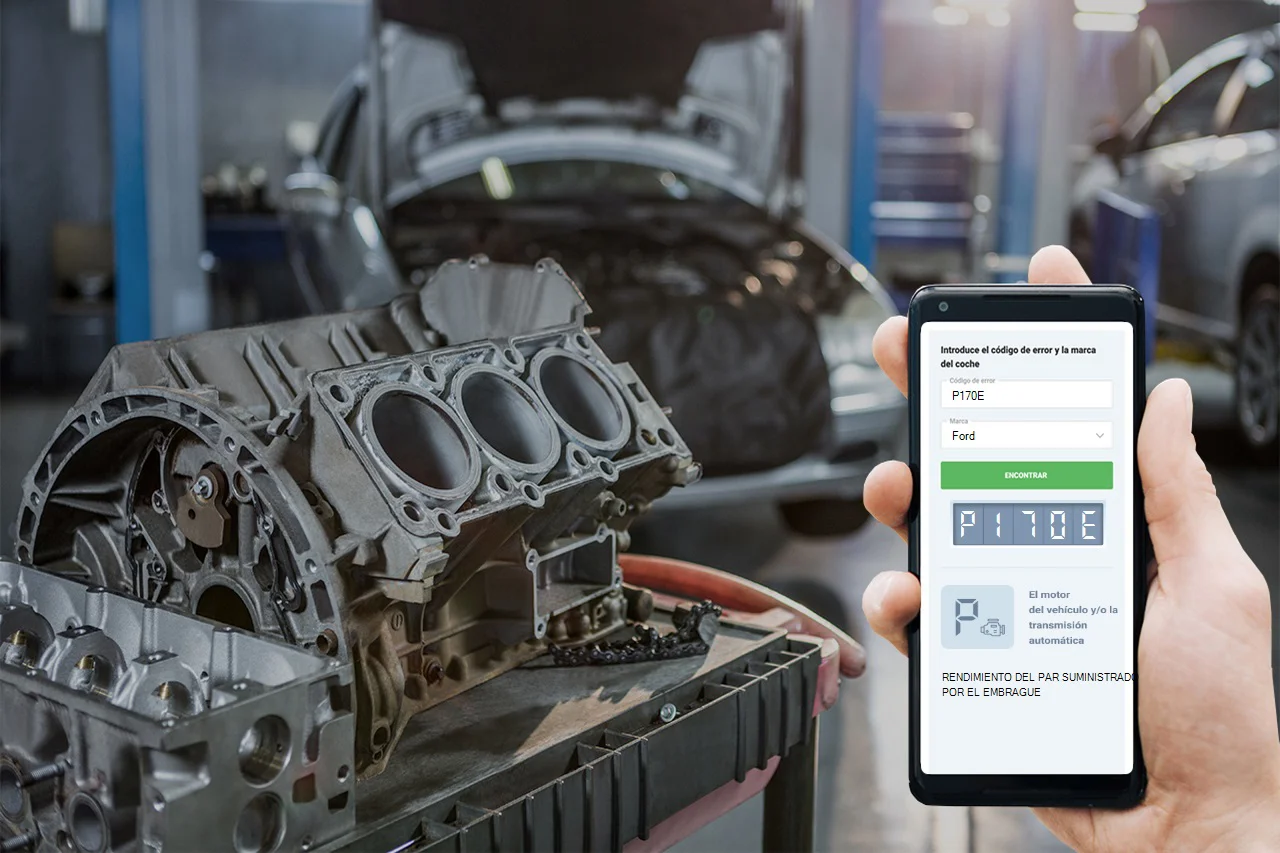
Causas habituales del P170E
From my years in the shop and flipping through Ford’s own manuals, here’s what I most often find behind a P170E code:
- Clutch disc worn out or chewed up. I’ve pulled out discs that look like someone took a sandblaster to them.
- Hydraulic or electric actuator acting lazy (especially on those fancy automated transmissions).
- Fluid leaks or low hydraulic/transmission fluid—sometimes it’s just a drip, but that can mess things up big time.
- Clutch position sensor gone haywire or not set up right. Had a Fiesta last month where the sensor was just loose.
- Transmission control module (TCM) throwing a fit and not managing the clutch like it’s supposed to.
- Loose or corroded electrical connections in the clutch system. I’ve seen rust turn a good wire into a ghost overnight.
Most of the time, you’re dealing with old-fashioned wear and tear, or a sensor or actuator that’s just not doing its job. Kuga, Fiesta, Transit—you name it, they all can run into these transmission headaches.
Síntomas típicos según ford dtc P170E
If you’ve got this code, you’ll probably notice some telltale signs. The classic one: you press the gas, the engine revs up, but the car feels like it’s stuck in mud—not moving with the same punch. I had a Transit owner come in, swearing his van was haunted because it would jerk between gears or lag. Sometimes, you’ll get rough shifts—like the car’s lurching or hesitating. The transmission warning light or even the check engine light might pop on. And in some cases, your car goes into limp mode—basically, it’s protecting itself, cutting power so you don’t do more damage. If you spot any of these, it’s a pretty good sign that your clutch isn’t sending the force where it should.

Diagnóstico paso a paso con dtc P170E ford
Whenever I get a P170E in the shop, I always start simple. First thing: check the transmission or hydraulic fluid level and condition. Low fluid? That’ll cause all sorts of trouble. Next, I give the clutch system a good look for leaks, obvious damage, or loose connectors. If nothing jumps out, I grab my scan tool and check real-time data from the clutch position sensor and actuator. If your car lets you, a quick test drive helps—feel for any slip or jerky shifts. I check the clutch disc and actuator, and if I’m unsure, I’ll test hydraulic pressure and see how the system’s responding. Don’t skip checking sensors and wiring—sometimes, a bad connection is all it takes to throw things off. If you’re not comfortable with the technical stuff, don’t be shy about asking for help. Some of these tests can get pretty involved.
Errores frecuentes con códigos de falla P170E ford
I’ve watched folks toss in a new clutch disc without checking the actuator or sensors first—big mistake. You could be spending money you don’t need to. Another one? Ignoring the fluid level or those tiny leaks. It’s easy to miss, but even a small drip can mess up the whole system. People also tend to overlook the electrical connections, which can get corroded or loose over time. Skipping the test drive or failing to check live data from the system means you might miss the real cause. My best advice: don’t rush it. Go step by step, like you’re baking a cake—miss one ingredient and the whole thing flops.
Gravedad del fallo ford P170E
This code isn’t one you want to ignore. Let it sit, and you’re asking for trouble. Things can go downhill fast—damage to the transmission, clutch actuator, or even the engine if the system overheats or wears out too quick. I’ve seen more than one Kuga left stranded because the clutch quit transmitting torque at a critical moment. It’s not just an inconvenience—losing power when you need it can put you in a dangerous spot. And don’t forget: the longer you wait, the pricier the fix gets. So, treat this one seriously.
Reparación efectiva del P170E ford
Here’s what usually gets a P170E sorted out, and what I do in my garage:
- Swap out the clutch disc if it’s worn or trashed.
- Repair or replace the hydraulic/electric actuator if it’s not doing its job.
- Fix leaks and top up hydraulic or transmission fluid—sometimes that’s all it takes.
- Adjust or replace the clutch position sensor if it’s giving bad readings.
- Go over and clean up all electrical connections—rust and grime can kill a good circuit.
- In rare cases, reprogram or swap the transmission control module if it’s gone stubborn.
Always—always—use genuine parts and follow Ford’s process. Cutting corners might save you a few bucks now, but it’ll cost you way more down the line.
Busque por código VIN de forma gratuita en el mercado de Avtopro.
Cómo averiguar el VIN



Conclusión
Bottom line: a P170E code means your clutch isn’t pushing power like it should, and that can lead to anything from jerky shifts to losing traction altogether. Don’t put it off, because the problem can snowball into bigger, costlier repairs—or even put your safety at risk. Start with the basics: check your fluid, look for leaks, and make sure sensors and actuators are working right before you jump to major fixes. If you follow the diagnostic steps and act fast, most times you’ll dodge the worst headaches. My advice? Get on it quick, and don’t skimp on good parts or solid work. Your Kuga, Fiesta, or Transit will thank you for it.
 5721
5721 6 minutos de lectura
- DTC P1650 FordEl interruptor de dirección asistida (PSP) no está funcionando dentro de los valores normales según la prueba automática.
- DTC P1657 FordFallo en el chip de comunicación CAN (Control Area Network), que conecta diferentes sistemas electrónicos del vehículo.
- DTC P1693 FordEl circuito de control del turbo (sistema que aumenta la potencia del motor) presenta una falla y no funciona correctamente.
- DTC P1701 FordFallo al engranar la marcha atrás; la transmisión no detecta correctamente el cambio a reversa (Transmisión automática).
- DTC P1702 FordEl circuito del sensor de rango de transmisión (TRS) presenta fallas intermitentes, lo que puede afectar el cambio de marchas.
- DTC P1703 FordEl interruptor de freno (Brake Switch) no responde como debería durante una prueba automática. Podría afectar el funcionamiento de las luces o sistemas de freno.